
When we think of countries whose names begin with the letter S, South Korea often springs to mind, famous for its kimchi, its bibimbap, and its vibrant street food culture. Yet the world of countries starting with S stretches far beyond the Korean peninsula, encompassing a remarkable diversity of culinary traditions, landscapes, and heritage. From the sun-drenched coastlines of Spain to the snow-capped Alpine valleys of Switzerland, and the cool Nordic forests of Sweden, each of these nations has developed a food culture that is inseparable from its history and identity.
What to know
- Beyond South Korea, countries starting with ‘S’ like Spain, Sweden, and Switzerland offer distinct and rich culinary traditions shaped by their unique histories and landscapes.
- Spain is globally renowned for its diverse gastronomy and the iconic saffron-infused rice dish known as paella, which features numerous regional variations.
- The Spanish tradition of tapas, consisting of small snacks served with drinks, has become a worldwide phenomenon that promotes shared and convivial dining.
- Swedish cuisine focuses on resourcefulness and preservation techniques, such as smoking and pickling, to thrive in its harsh climate and long winters.
- Fish, particularly herring, is a cornerstone of the Swedish diet, frequently seasoned with dill and served alongside root vegetables.
- Swiss culinary culture is defined by mountain heritage and the communal ritual of fondue, which centers on melted cheese as a symbol of national identity.
- Switzerland utilizes its high-quality Alpine dairy and potato-based specialties like rösti to create comfort foods that reflect the country’s agricultural self-sufficiency.
Exploring the Rich Flavours of Spain and Its Emblematic Rice Dishes
Few countries can rival Spain when it comes to the sheer vibrancy of its regional dishes. Spanish gastronomy is a living tapestry woven from centuries of agricultural tradition, maritime heritage, and cultural exchange. Indeed, the culinary map of Spain reads as a food tour in its own right, with each autonomous community offering its own distinct flavours, techniques, and seasonal ingredients. At the heart of this rich landscape sits one of the most recognisable dishes in the world: paella.
The Heritage of Traditional Paella and Aromatic Spices
Paella is a saffron-infused rice dish originating from the región de Valencia, España, and it stands as one of the most emblematic expressions of Spanish heritage cooking. The dish is traditionally prepared in a wide, shallow skillet, allowing the rice to absorb a deeply aromatic broth seasoned with azafrán and pimentón. Over time, the receta has evolved into numerous regional interpretations, some featuring gambas and pulpo, others incorporating a combination of frutas de mar, while certain inland versions favour pollo and cerdo. This interplay between land and sea is very much at the core of what makes Spanish traditional cooking so captivating. Historically, the dish is originario of the Valencia region, and its development at the principio del siglo XX cemented its place as a national treasure. The white rice base, enriched by cebollas, aceite de oliva, and hierbas aromáticas, transforms simple ingredients into something truly extraordinary. Some recipes also include frijoles negros or even fideos in place of rice, illustrating the adaptability of Spanish culinary practices.
Savouring fresh seafood and local vegetables across regions
Beyond paella, Spanish gastronomy encompasses a vast array of seafood preparations and vegetable-driven dishes. Mejillones steamed in white wine and aromatic herbs are a staple along the Atlantic coastline, whilst the influence of the Provence-Alpes-Azur corridor can be felt in the northeast, where dishes aromatizada with sal, pimienta, and fresh herbs reflect a deep respect for local produce. Tapas culture (the tradition of small snacks served alongside drinks) originated in Spain and has since become a global phenomenon, spreading the joy of shared meals and convivial dining rituals to every corner of the world.
Delving into Sweden and Nordic Gastronomic Heritage
Travelling northwards, Sweden offers a fascinating window into Nordic food history, where the harshness of the climate has shaped a cuisine defined by resourcefulness, simplicity, and a profound connection to the land. Swedish culinary practices emphasise clean, honest flavours, drawing on a pantry stocked with meat, seafood, root vegetables, and dairy-based products that have sustained communities through long, dark winters.
Hearty meat dishes and traditional preserves
Swedish traditional cooking has long revolved around hearty preparations of carne, from slow-braised cuts of ternera to cured pork preparations that speak to centuries-old preservation methods. Before modern refrigeration, the need to preserve seasonal ingredients through salting, smoking, and fermentation gave rise to a distinctive pantry of flavours that remains deeply embedded in the national consciousness. These heritage techniques are not merely nostalgic; they continue to inform contemporary Swedish cooking, lending depth and complexity to dishes that might otherwise appear deceptively simple.

Coastal fish recipes and classic seasonings
Sweden’s extensive coastline and network of inland lakes have made pescado central to its staple foods. Herring, in particular, occupies a place of cultural significance, prepared in a dizzying variety of ways, pickled, smoked, fried, or served in a creamy sauce alongside potatoes. The classic pairing of fish with dill, a herb that grows abundantly in the Nordic landscape, is perhaps the most iconic expression of Swedish local flavours. Sopa based on fish stocks, enriched with root vegetables and seasoned with restrained precision, also features prominently in the Swedish culinary repertoire, offering warmth and nourishment during the colder months.
Uncovering switzerland: a journey through alpine cheese and comfort food
Switzerland may be a small country, but its contribution to international food culture is wholly disproportionate to its size. Nestled between France, Germany, Italy, and Austria, Switzerland has absorbed culinary influences from each of its neighbours whilst developing a cuisine that is unmistakably its own, rooted in mountain life, agricultural self-sufficiency, and the celebrated produce of its Alpine pastures.

The Art of Classic Fondue and Melted Delights
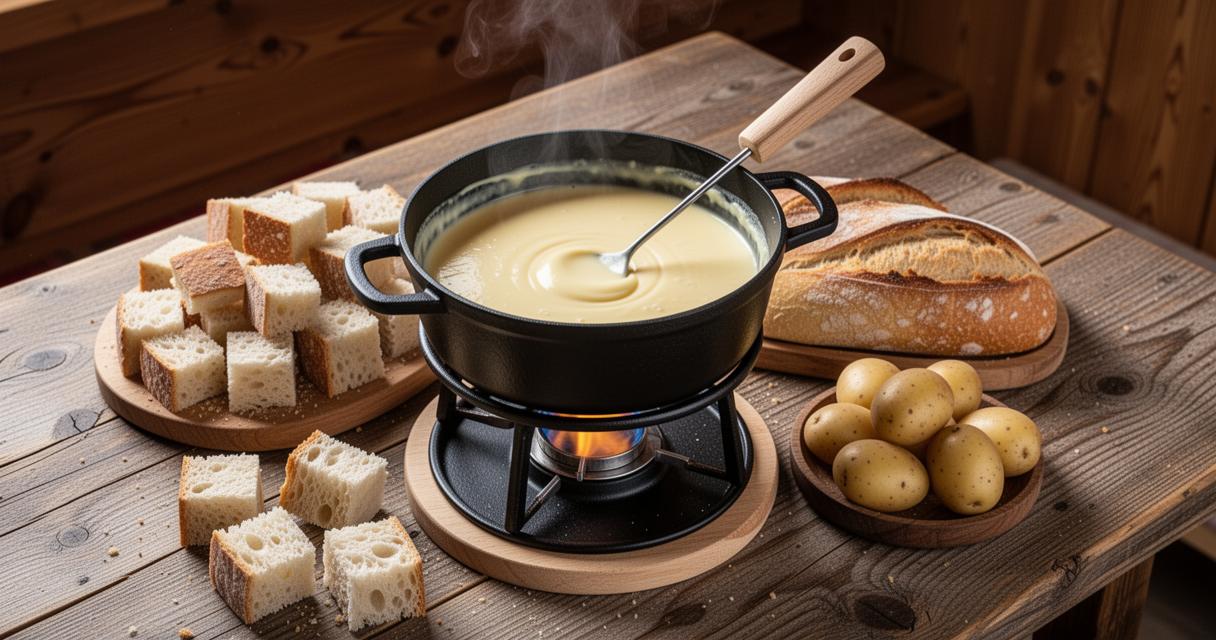
Few dishes encapsulate the spirit of cultural heritage quite like Swiss fondue. Originating from the Alpine regions of Switzerland in the eighteenth century, fondue consists of melted queso served in a communal pot, into which diners dip chunks of bread. By the nineteen-thirties, fondue had become a symbol of Swiss national identity, eventually captivating audiences well beyond the country’s borders. Its appeal lies not merely in the richness of the melted cheese, but in the ritual of gathering around a shared pot, a practice that elevates eating into a genuinely social experience. This combination of cooking techniques and dining rituals has earned fondue a lasting place in the global imagination, and it remains one of the most beloved expressions of Alpine comfort food.
Iconic potato specialities and mountain produce
Alongside fondue, Switzerland’s culinary identity is shaped by its remarkable variety of alpine produce. Patatas fritas in their simplest form, as well as the celebrated rösti (a crispy pan-fried potato cake) speak to a tradition of transforming humble, seasonal ingredients into deeply satisfying fare. The mountain pastures that give Swiss queso its extraordinary character also yield butter, cream, and milk of exceptional quality, underpinning a cuisine that prizes richness and warmth. Whether exploring the sopa traditions of the German-speaking cantons, the refined cooking of the French-speaking regions, or the pasta-influenced dishes of Ticino, Switzerland rewards the curious traveller with a food tour of surprising depth and variety. It is this layered complexity (rooted in tierra, tradition, and the unbroken transmission of authentic recipes) that makes the country’s gastronomy so compelling.