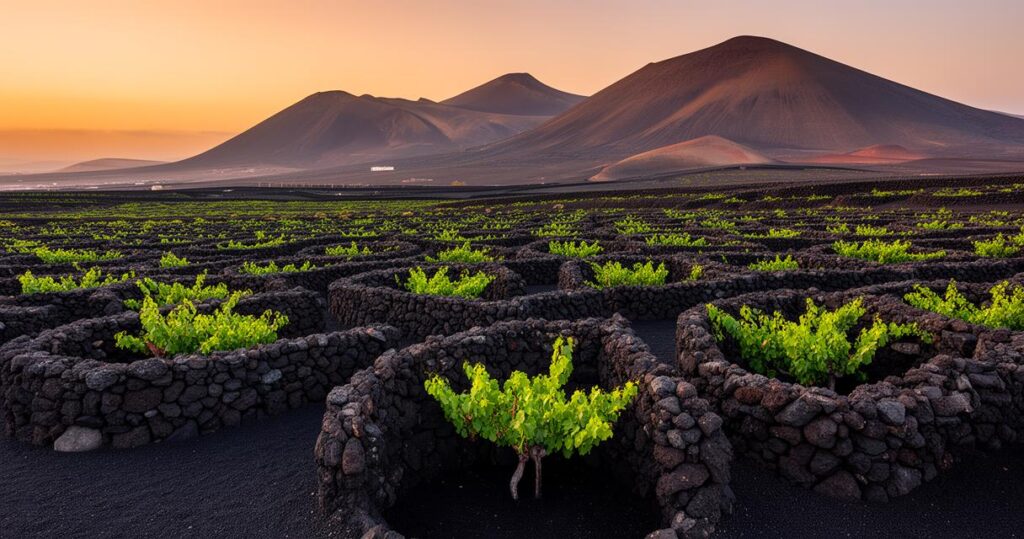
Few wine regions in the world can claim a terroir as dramatic and singular as Lanzarote. Here, on a volcanic island declared a Lanzarote, Biosphere Reserve, centuries of eruption and ingenuity have conspired to produce wines unlike anything grown elsewhere in Spain or beyond. At the heart of this story is a grape that has become inseparable from the landscape that forged it: Malvasía Volcánica.
The essentials
- Malvasía Volcánica is a signature grape variety of Lanzarote, shaped by a unique terroir characterized by volcanic ash called ‘picón’ that naturally retains moisture.
- Lanzarote’s vineyards feature ungrafted vines, some centuries old, as the island escaped the phylloxera epidemic that devastated European viticulture.
- Local farmers practice ‘heroic viticulture’ by planting vines in individual pits shielded by stone walls to protect them from harsh trade winds and sunlight.
- Bodegas El Grifo, founded in 1775, is one of Spain’s oldest wineries and offers visitors an immersive experience through its museum, audio tours, and tastings.
- The estate prioritizes sustainability through organic farming, regenerative viticulture, and the use of renewable energy and CO2 recovery systems.
- Beyond Malvasía Volcánica, the island preserves other autochthonous varieties like Listán Negro and Vijariego Blanco, reflecting a deep Canarian viticultural heritage.
Malvasía Volcánica and the Native Grapes of Lanzarote’s Volcanic Terroir
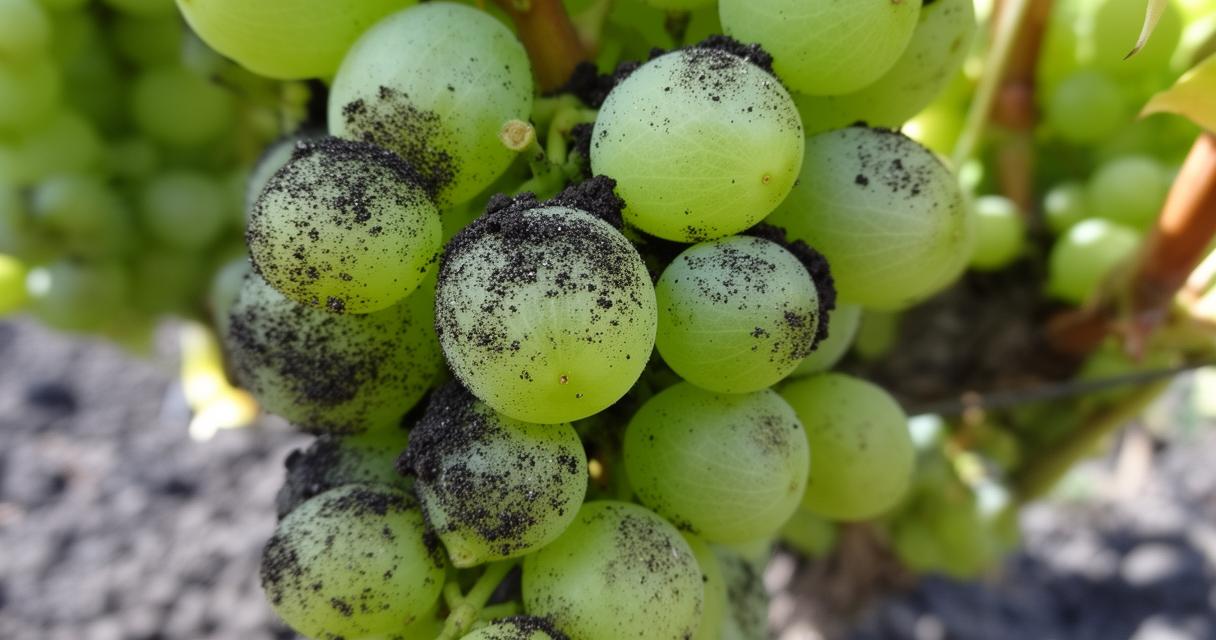
To understand Malvasía Volcánica, one must first understand the ground beneath it. On the central plateau of Lanzarote, in the valley known as La Geria Protected Landscape, the earth is blanketed in a layer of volcanic ash called picón. This dark, porous material was deposited following the eruption of the Cuervo Volcano in 1730, and it transformed the landscape permanently. Far from rendering the land barren, the picón proved to be a remarkable growing medium: it absorbs the moisture carried by the Atlantic night air and releases it slowly to the vine roots below, allowing the vines to grow entirely without irrigation. The result is a grape concentrated by arid conditions and shaped by mineral-rich volcanic soil, which lends Malvasía Volcánica its characteristic floral notes and striking minerality.
How Volcanic Ash, Ungrafted Vines and Heroic Viticulture Shape the Grape
What makes Lanzarote’s vineyards truly extraordinary is what did not happen here as much as what did. When phylloxera devastated European vineyards during the 19th century, the Canary Islands were left untouched. As a result, the vines on Lanzarote remain ungrafted (growing on their own rootstocks, some of them centuries old) a rarity that connects today’s wines directly to their most ancient origins. Each vine is planted in an individual pit dug into the picón, and a low, curved stone wall is built around it to shield it from the trade winds and the harsh sun. This painstaking, hand-crafted approach is what the bodega describes as heroic viticulture: an acknowledgement that every bottle begins with an act of extraordinary human effort against an elemental landscape. Indeed, in a wine world shaped by efficiency and scale, the methods practised in La Geria feel almost defiant in their dedication.
Listán Negro, Vijariego Blanco and the Ancient Sweet Wines of La Geria
Malvasía Volcánica is not the only native variety that thrives in this singular terroir. Listán Negro, the most widely planted red grape in the Canary Islands, is well adapted to volcanic soils and plays an essential role in the island’s red wine tradition. Vijariego Blanco, a minority variety now cultivated primarily in Lanzarote, is prized for its high acidity and its ability to age gracefully in bottle. Together, these autochthonous varieties paint a vivid picture of Canarian viticultural heritage, one that stretches back through centuries of trade and island life. Lanzarote’s ancient sweet wines, produced from Malvasía Volcánica grapes, gained considerable renown across Europe from the 16th century onwards, carried on merchant ships to tables far beyond the Atlantic. That tradition of sweet winemaking continues today, alongside dry and semi-dry expressions that showcase the full range of the grape’s complexity.
Tasting Malvasía Volcánica at Bodegas EL GRIFO: Visits, Wine Bar and Practical Information
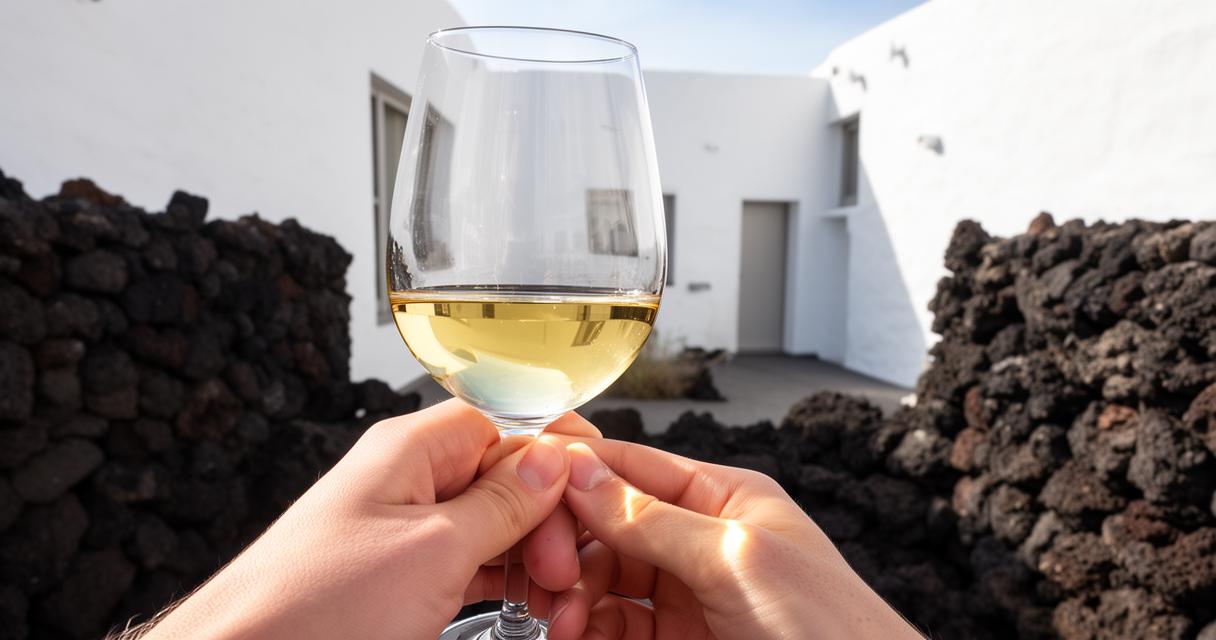
There is no better place to encounter these wines in their full context than at the estate where they are grown. Founded in 1775, Bodegas EL GRIFO is one of the ten oldest wineries in Spain, sitting directly on the LZ-30 road between Uga and Mozaga, at the heart of the La Geria Protected Landscape. The estate welcomes visitors who wish to explore not only its wines but also the extraordinary landscape and philosophy that produce them. Customer reviews gathered by the winery speak consistently of a beautiful experience, excellent wines, and genuinely hospitable service from the team.
Guided Experiences, the Wine Museum and the Self-Guided Audio Tour
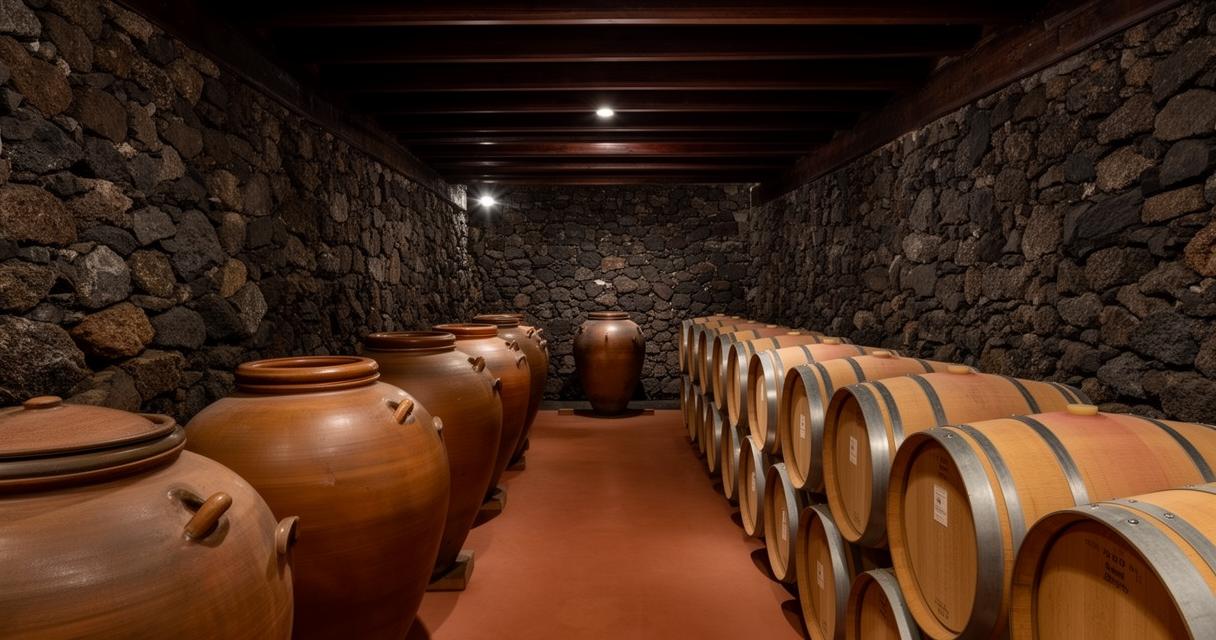
Bodegas EL GRIFO offers several ways to discover its story. Guided wine tourism experiences, available in both Spanish and English, take visitors through the winemaking process with a commented tasting; booking online in advance is recommended to secure a place. For those who prefer to explore at their own pace, a self-guided visit with an audio tour accessed directly on a smartphone is available in Spanish, English, French, Italian, and German, and includes a commented tasting of two wines. The audio guide has been widely praised for being thorough and of genuine quality. Within the estate, the Wine Museum (housed in the original bodega building) displays a working press from the earliest days of the winery and the founding stone dated 1775, offering a tangible connection to two and a half centuries of winemaking. At the entrance, a cactus garden sets the scene, and a terrace invites visitors to linger after their tasting. Those who wish to take a bottle home may purchase wines directly from the on-site wine bar and boutique; wines are also available for purchase online with delivery across Europe.
Organic Vineyards, Regenerative Viticulture and How to Plan Your Visit
The commitment at Bodegas EL GRIFO extends well beyond the cellar door. The estate practises organic vineyards and regenerative viticulture, and 60% of the energy used on site comes from photovoltaic panels installed at the winery. During fermentation, an innovative CO₂ recovery and reuse system (known as the Oresteo system) further reduces the estate’s environmental footprint. The team also carries out active research into the adaptation of the vine to climate change, the behaviour of indigenous yeasts, and the aromatic potential of Malvasía Volcánica. During the summer harvest season, the winery also offers Harvest Experiences for those who wish to understand the full cycle of wine production firsthand.
Bodegas EL GRIFO
LZ-30, Km 11, 35559 San Bartolomé, Las Palmas
Téléphone : +34 928 52 40 36
Bodegas EL GRIFO is open Monday to Friday from 10:00 to 18:30, with visits and experiences accessible until 17:15 at the latest; the estate is closed on Saturdays and Sundays. The winery is located at LZ-30, Km 11, 35559 San Bartolomé, Las Palmas, roughly ten minutes by car from Puerto del Carmen and around twenty minutes from Arrecife. To make an enquiry or plan your visit, the team can be reached on +34 928 52 40 36.